Buying your first property is exciting—but it can also feel overwhelming if you don’t know where to start. With so much advice floating around, it’s easy to get distracted by flashy showflats or “hot tips” that don’t apply to your situation.
This guide breaks it down simply: here’s what really matters (and what to ignore) when buying your first home in Singapore.
Helping first-time buyers purchase their home with ease and peace of mind.
1. Know Your Numbers (Don’t Skip This)
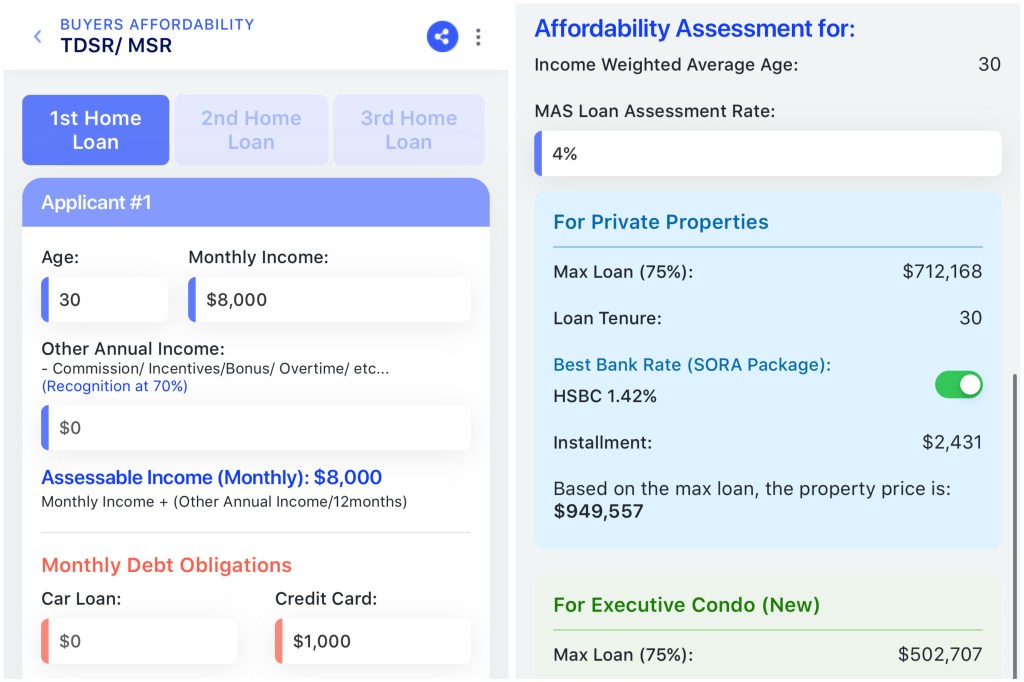
It’s easy to get emotionally attached to a unit — the balcony view, the showflat vibes. But first things first: understand your affordability. Knowing your budget, loan eligibility, and CPF usage will help you avoid wasting time on units you can’t comfortably afford.
💡 Our agency has developed practical tools and calculators to help buyers get clear on their numbers — beyond just sticker prices.
when to consider TDSR/ MSR?
Quick Tips:
Use tools like Loan Calculators and TDSR/MSR checkers.
Plan for both initial cash outlay and monthly instalments.
Don’t forget to factor in stamp duties, legal fees, and buyer-specific rules (e.g. for PRs vs SC).
“It’s not about stretching to buy the most expensive unit. It’s about finding a home that fits your lifestyle without compromising your future.”
2. Don’t Just Buy for Now—Think 5 Years Ahead
It’s tempting to buy a place that suits your life right now, but you should also ask:
Are you going to stay here forever?
Will this location still suit you in 5–7 years?
If you start a family or change jobs, is the property still viable?
Can you sell or rent it out easily in the future?
Buying a home isn’t just about now—it’s about planning your exit, even before you enter. Is the value important to you?
it’s more than just the entry price
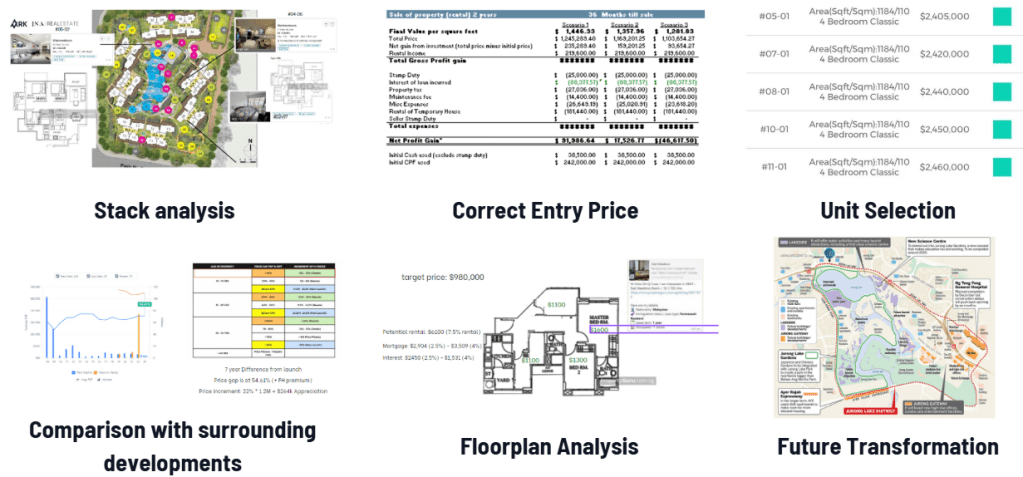
3. Understand the Strategies we use to select a Good Property
For Example, did you know that big developments tend to have:
More facilities 🏊♀️
Better resale benchmarks 📈
More buyer/tenant demand 👨👩👧👦
Smaller projects may be boutique (and some people may like this too), but they come with fewer transactions—which can make it harder to gauge value or sell in the future.
Real Example:
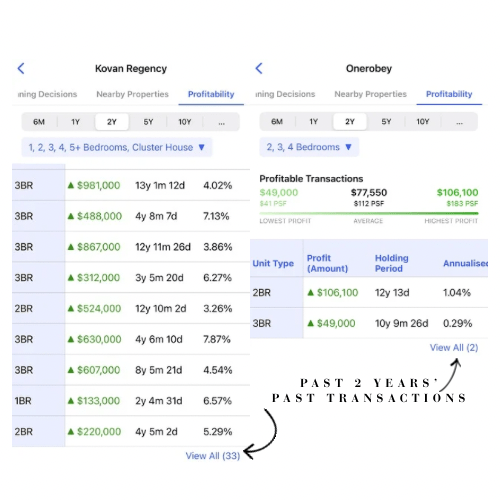
One Robey (18 units) vs. Kovan Regency (393 units) Over 10 years: 6 transactions vs. 161 transactions. Guess which one gave owners better flexibility to upgrade?
Studying the data and trends
This is one of the key filters our team uses — supported by a back-tested framework of transaction data across different cycles. It helps our clients avoid flashy but underperforming buys, and focus on value they can grow.
Final Thoughts
Being a first-time buyer can feel overwhelming — there’s a lot to consider, and everyone seems to have different advice. But with the right lens, things start to make more sense.
Take your time. Focus on clarity, not rush.
And if you’re looking to better understand where you stand, or simply want to bounce off some thoughts — we’re happy to chat.
Hola, I’m Kwan. Happy to provide clarity in your property journey.



 kwanproperty
Leave a comment